November 18, 2026
Liposuction Farmington Hills: Understanding the Importance of Follow-Up Visits
By @caidengvkc124
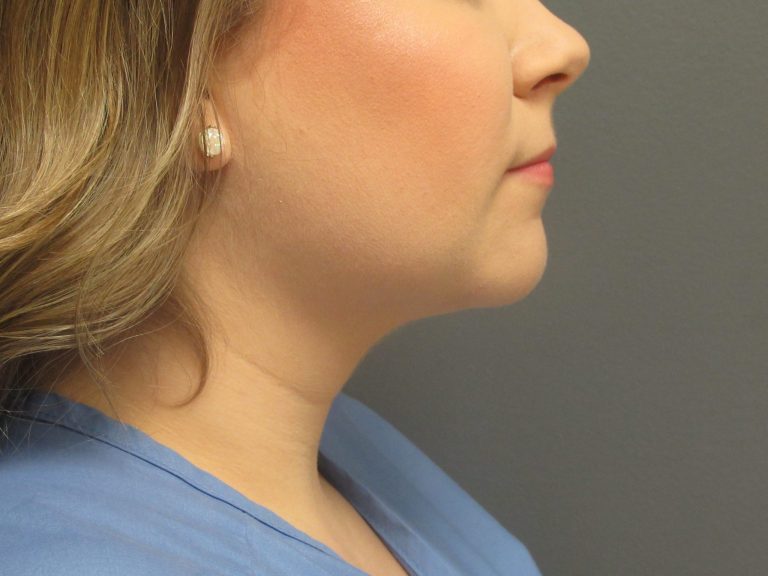
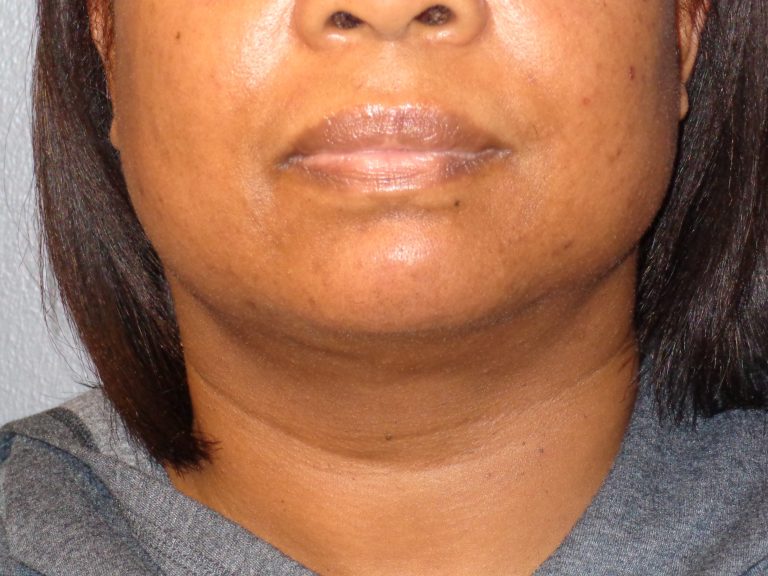
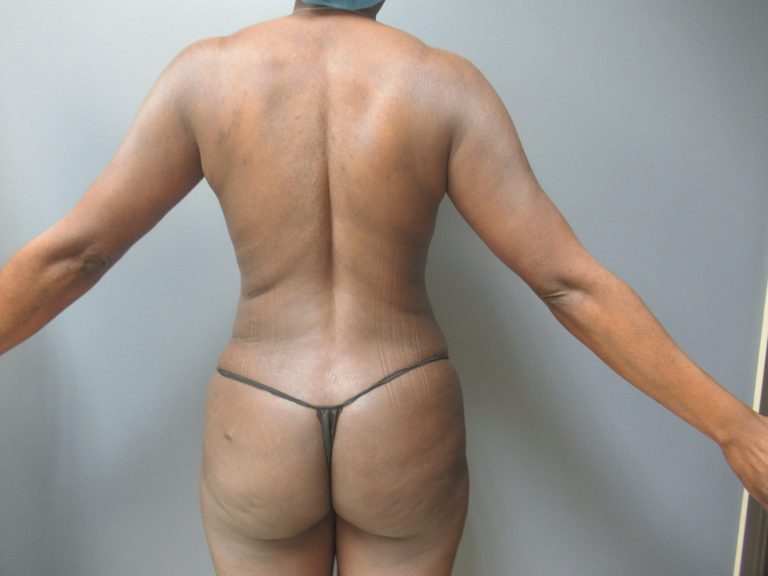
Liposuction is often discussed as if the procedure itself is the whole story. It is not. The operating room matters, of course, but a strong result depends just as much on what happens after surgery, especially during follow-up care. Patients usually focus on the visible change they hope to see in the abdomen, flanks, thighs, arms, or under the chin. What many do not realize at the start is that the body needs time, monitoring, and careful adjustment to heal well and reveal that change properly.
In practices that provide Liposuction Farmington Hills patients often ask one version of the same question: if I feel fine, do I really need to come back for every post-operative visit? The short answer is yes. Those appointments are not just routine boxes to check. They are where a surgeon evaluates swelling, tracks skin retraction, looks for early signs of complications, and helps guide recovery so the final contour has the best chance to develop smoothly.
A follow-up visit Liposuction Farmington HIlls is not simply reassurance, although reassurance has value. It is a clinical checkpoint. Healing after liposuction is active, not passive. Fluid shifts, tissues tighten, bruising fades, compression changes pressure across treated areas, and sometimes a small issue Liposuction Farmington HIlls appears before the patient can feel or identify it clearly. Catching that issue early can make recovery easier and, in some cases, prevent a larger setback.
Why post-operative care deserves as much attention as the procedure
Liposuction removes fat, but it also creates controlled trauma beneath the skin. Tiny cannulas pass through tissue planes. Local inflammation follows. The body responds by swelling, laying down healing tissue, and gradually reshaping the area over weeks and months. During this time, what looks uneven at one week may settle beautifully by eight weeks. On the other hand, what seems like ordinary swelling could occasionally represent retained fluid, excessive pressure from a garment, or an area of delayed healing that should be addressed quickly.
This is why experienced surgeons do not treat follow-up visits as administrative formalities. They look for patterns in healing. They compare what they see with what is expected for that body area, that surgical volume, and that patient’s baseline health. A healthy 32-year-old having a modest lower abdomen treatment may recover on a different timeline than a 58-year-old patient who combined liposuction with another body contouring procedure. A careful surgeon knows the difference and adjusts instructions accordingly.
Patients are often surprised by how much the aftercare plan can change from one week to the next. Compression may be modified. Activity restrictions may be loosened or extended. Lymphatic massage may be discussed in selected cases. Hydration, sodium intake, scar care, and return to work all may need fine-tuning. Without follow-up, the patient is left to guess. Guessing is not a good recovery strategy.
What your surgeon is looking for at each stage
The first several follow-up visits usually have different purposes. Early on, the goals are basic but critical: assess pain control, check the small incision sites, evaluate drainage if tumescent fluid is still leaking, and make sure swelling and bruising look appropriate. The surgeon also wants to know whether the compression garment fits correctly. A garment that rolls, pinches, or sits unevenly can create avoidable discomfort and may affect contour during the early healing phase.
A little later, the focus shifts. Instead of asking whether the patient is simply stable, the surgeon starts evaluating contour evolution. Is the swelling reducing in a balanced way? Is one side healing slower than the other, within a normal range? Is the skin retracting as expected? Is there firmness under the skin that reflects ordinary healing, or does it need more attention and observation?
Months down the line, the visit becomes less about immediate recovery and more about refinement and outcome assessment. At that stage, patients often start seeing the result that motivated the procedure in the first place. This is also when subtle concerns become easier to evaluate honestly. If something still feels firm, uneven, or numb, the surgeon can place it in context. Some findings are temporary and resolve with patience. Others may benefit from a more active plan.
One of the most useful parts of these visits is perspective. Patients live in their own bodies every day, so they often either overreact to normal healing or underplay a sign that matters. A surgeon who examines post-liposuction recovery daily can tell the difference between common post-operative changes and true warning signs.
The common issues that are best caught early
Many post-liposuction concerns are manageable when identified promptly. Left alone, they can become harder to correct or simply prolong recovery. Seromas, which are pockets of fluid that can collect beneath the skin, are one example. They are not inevitable, but they are a known possibility after body contouring procedures. A patient may notice unusual fullness or sloshing, but sometimes the finding is subtle enough that it is best recognized during an examination.
Swelling is another area where follow-up matters. Some swelling is expected after every liposuction procedure. The real question is whether the amount, location, and timing fit the normal course. Persistent asymmetrical swelling might still fall within normal healing, but it deserves professional review rather than online guesswork.
Then there is tissue firmness. Many patients describe hard spots, bands, or areas that feel thick under the skin. Often these are part of the healing process as inflammation subsides and scar tissue remodels. The problem is that not every firm area behaves the same way. Follow-up allows the surgeon to decide whether simple observation is enough or whether garment adjustments, massage guidance, or time-specific interventions should be discussed.
Although uncommon, infection and wound issues also underscore the value of appointments. Liposuction uses very small incision sites, and many heal quickly with minimal fuss. Still, redness that spreads, increasing warmth, foul drainage, fever, or pain that escalates instead of improving should never be brushed off. A good follow-up structure creates clear pathways for identifying these concerns before they advance.
Why “I feel okay” is not a substitute for evaluation
Patients sometimes skip appointments because they feel well, are busy, or assume the body will sort things out on its own. The problem is that recovery is not judged only by pain. Some of the most important findings after liposuction are visual or tactile rather than dramatic symptoms. Mild contour irregularity, garment-related pressure problems, delayed swelling resolution, and fluid accumulation may not announce themselves with severe discomfort.
There is also a psychological piece to recovery that people underestimate. During the first two to six weeks, patients can become preoccupied with every change. One morning the waist looks slimmer. That evening it looks puffy again. The thighs feel smooth one day and lumpy the next. This fluctuation can cause unnecessary stress and lead people to make poor decisions, such as wearing compression that is too tight, returning to strenuous exercise too early, or trying unapproved remedies they found online.
A structured post-operative schedule keeps recovery grounded in clinical reality. Instead of reacting emotionally to every shift, the patient has defined moments to be examined, ask questions, and recalibrate expectations.
The role of compression, movement, and timing
Compression garments are one of the most discussed parts of liposuction recovery, and for good reason. They help manage swelling, support tissues during early healing, and can improve comfort. But more is not always better. A garment that is excessively tight can create problems of its own, including discomfort, skin irritation, creasing, and uneven pressure.
Follow-up visits help determine whether the garment is doing what it should. Sometimes a patient needs reassurance that mild indentations from the garment are temporary. Other times the fit genuinely needs adjustment. It is difficult for patients to judge this alone, especially when they are still swollen.
Movement is another area where nuance matters. Most surgeons want patients walking early because light movement supports circulation and reduces the stiffness that comes with resting too much. At the same time, aggressive exercise too soon can increase swelling and leave patients feeling as if they have gone backward. I have seen more than a few patients proudly return to boot camp classes within two weeks, only to call later because swelling spiked and the treated area felt suddenly tight and sore. The body usually forgives impatience, but it does not reward it.
That is where timing comes in. Recovery instructions are not generic rules copied from a handout. They should be adapted to the extent of treatment, the patient’s job demands, pre-existing conditions, and the pace of healing seen at follow-up.
What a typical follow-up schedule might involve
Every practice has its own protocol, and combined procedures may require more frequent checks, but many patients can expect some variation of the following schedule:
- An early visit within the first few days to assess drainage, garment fit, pain control, and overall stability.
- A second checkpoint in the first one to two weeks to review swelling, bruising, incision healing, and activity guidance.
- A later visit around the one-month mark to evaluate contour progression and any firmness or asymmetry.
- One or more longer-term visits over the next several months to monitor the settling of the final result.
The exact timing matters less than the principle behind it. Recovery evolves. It is not one single event.
Questions worth bringing to each appointment
Patients sometimes show up to follow-up visits and say they forgot everything they meant to ask. That is normal. Recovery can be distracting. It helps to keep a running note on your phone so concerns are discussed while the surgeon can still examine the issue directly.
A short, useful checklist might include:
- Is my swelling pattern normal for this stage?
- Does my compression garment still fit the way it should?
- When can I safely return to work, exercise, or travel?
- Are the hard or numb areas I feel expected?
- At what point should I contact the office between visits?
That kind of conversation is practical and often far more valuable than broad questions about when the “final result” will appear. Results unfold in stages, and the surgeon’s answers are best when tied to what your body is doing in real time.
Follow-up visits are also about setting expectations honestly
One of the more delicate parts of post-operative care is expectation management. Liposuction can produce meaningful contour improvement, but it does not create perfection, and it does not freeze the body in time. Skin quality, age, genetics, hormonal changes, and weight fluctuations all affect the final look. Follow-up appointments create space for a more honest assessment of what surgery can and cannot do.
This matters in communities where patients may compare their healing to photos online or to a friend who had a different procedure done elsewhere. For someone seeking Liposuction Farmington Hills, local access to the operating surgeon can be especially valuable because it allows repeated, consistent evaluation instead of fragmented advice from urgent care clinics, social media groups, or well-meaning friends.
A surgeon who has seen the treated areas before surgery, immediately after surgery, and throughout recovery has a much more reliable framework for judging the result than anyone else. That continuity often prevents unnecessary worry. It also helps identify when a patient’s expectation has drifted away from the original, realistic goal.
The patients who benefit most from close monitoring
The truth is that everyone benefits from follow-up, but certain patients benefit even more. If a large volume of fat was removed, if multiple areas were treated, or if liposuction was paired with another procedure such as a tummy tuck, recovery may be more layered and less predictable. Patients with diabetes, circulation issues, or a smoking history may also need closer observation because wound healing can be less straightforward.
There are also lifestyle factors. A patient with a physically demanding job, frequent travel, or caregiving responsibilities may return to normal activity too fast unless those demands are addressed directly. Another patient may be so nervous about disrupting the result that they move too little and become unnecessarily stiff and uncomfortable. Follow-up is where those patterns are corrected before they become habits.
I have seen two patients with nearly identical procedures have completely different recoveries because of what happened after surgery. One followed instructions, came to each appointment, asked practical questions, and made small adjustments along the way. The other skipped a visit, changed garments based on internet advice, resumed strenuous workouts early, and spent weeks anxious about contour changes that were largely self-created by overdoing it. Their eventual outcomes were not identical, and the difference was not the surgery itself.
What to watch for between scheduled visits
Good follow-up care includes knowing when not to wait for the next appointment. Most healing concerns can be addressed calmly during office hours, but some deserve earlier contact. Increasing pain, spreading redness, fever, significant one-sided swelling, shortness of breath, calf pain, or drainage that suddenly changes in character should prompt a call right away. Practices vary in how they communicate after hours, but patients should know that plan before surgery, not after a problem develops.
It is also worth saying that minor concerns are still worth mentioning. Patients sometimes hesitate because they do not want to be difficult. A small concern that turns out to be normal is not a wasted question. It is part of recovery. Experienced surgical teams expect those calls and would rather answer them early than hear about them after a patient has spent four days worrying or self-treating incorrectly.
The long view, how follow-up protects your investment
Liposuction involves more than cost. It requires time off work, planning, transportation, compression garments, physical recovery, and emotional energy. Patients often think of the investment in terms of the procedure fee, but the real investment includes the months spent healing into the result. Follow-up visits protect that investment.
These appointments give the surgeon a chance to support the outcome, not just observe it. They help the patient stay on track with compression, movement, hydration, and realistic timelines. They create a record of progress. They catch the occasional problem while it is still manageable. Perhaps most importantly, they turn recovery into a guided process instead of a solo experiment.
For anyone considering Liposuction Farmington Hills, it is wise to ask about the post-operative plan before committing to surgery. How often are patients seen? Who answers questions between visits? What signs trigger an urgent evaluation? A practice that takes follow-up seriously is usually signaling something important about its standards overall.
The best liposuction results rarely come from surgery alone. They come from surgery performed well, healing monitored carefully, and patients who understand that showing up after the procedure is part of the procedure. Follow-up visits are where early healing is interpreted, concerns are sorted out, and good results are given the structure they need to mature. That is not an optional extra. It is part of responsible care.
Aesthetic Plastic Surgery & Laser Center, Michelle Hardaway M.D.
27920 Orchard Lake Rd
Farmington Hills, MI 48334
(248) 221-1957
FAQ About Liposuction Farmington Hills
What disqualifies you from getting liposuction in Farmington Hills?
A surgeon may recommend postponing or avoiding liposuction if a health condition, medication, or nicotine use raises the risk of surgery or poor healing. A consultation is needed to assess your medical history and whether the procedure fits your goals.
Can liposuction remove 20 pounds?
Liposuction is a body contouring procedure for localized fat. It is not a weight loss treatment, and a specific number of pounds is not a safe or useful target. The surgeon determines how much can be removed safely for each patient.
What are the risks of liposuction?
Risks include infection, changes in sensation, uneven contours, and complications from anesthesia or blood clots. A plastic surgeon can explain which risks apply to you and what to expect during recovery.
❧