November 18, 2026
Liposuction Farmington Hills: The Role of Consultation in Great Outcomes
By @caidengvkc124
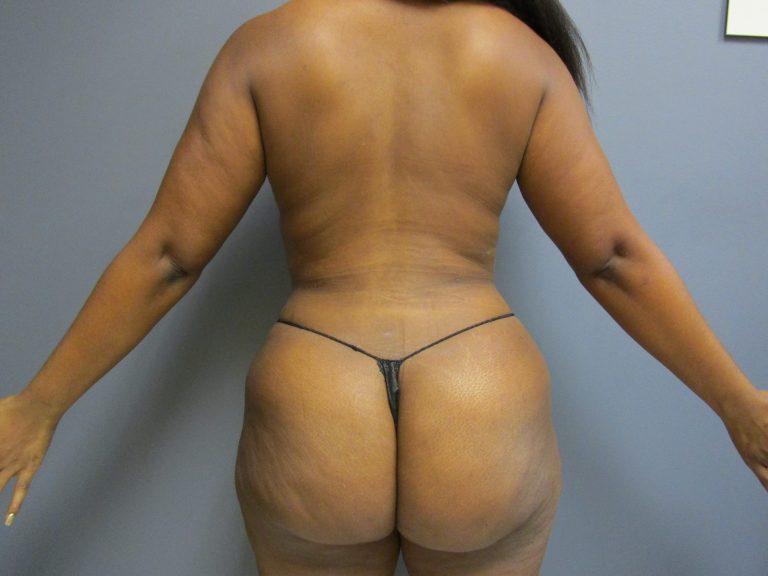
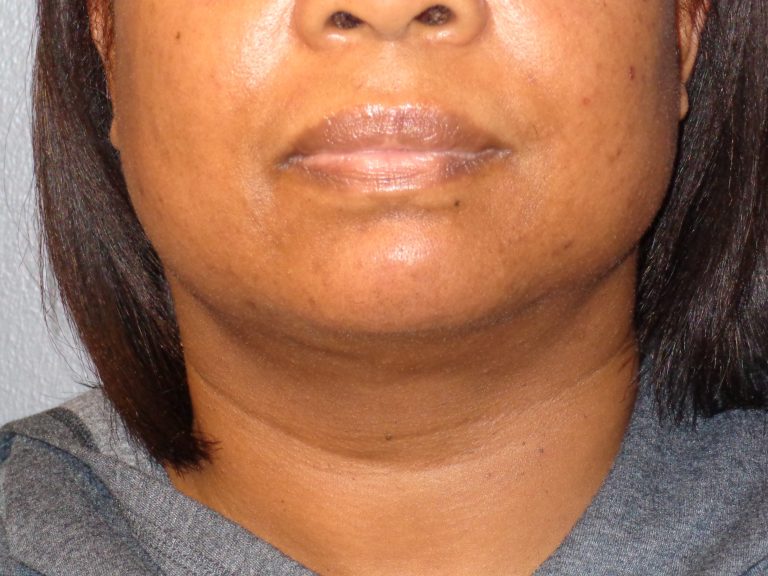
Liposuction has a way of sounding straightforward when people first look into it. Remove fat from areas that resist diet and exercise, contour the body, recover, move on. In practice, the difference between a result that looks balanced and a result that feels disappointing often starts long before the procedure itself. It begins in consultation.
That first appointment is not just a formality. It is where expectations are tested against anatomy, where candidacy is weighed against goals, and where a surgeon starts deciding whether liposuction is the right tool at all. For patients researching Liposuction Farmington Hills options, this part matters more than many realize. Technique matters, certainly. So do safety protocols, operating standards, and aftercare. But consultation is the place where those pieces first come together in a way that either protects the outcome or quietly undermines it.
A good consultation can prevent a poor result before it happens. It can also sharpen a decent plan into a very good one.
The consultation is where the real treatment plan begins
People often arrive at a liposuction consultation with a target area in mind. It might be the lower abdomen after pregnancy, fullness at the flanks that does not respond to weight loss, or a persistent pocket beneath the chin that changes the profile in photos. Sometimes the concern is highly specific. Sometimes it is broader, like wanting to look more proportional in clothing.
Those goals matter, but they are only the starting point. The surgeon has to assess skin quality, fat distribution, muscle tone, history of weight change, prior surgeries, overall health, and whether the patient’s description of the problem matches what is physically present. This is one reason online before-and-after photos are useful but limited. Two people can have the same complaint and require very different plans because the tissue behaves differently.
Consider the abdomen, which is one of the most requested treatment areas. One patient may have localized fat with strong skin elasticity and minimal muscle laxity. Another may have moderate fat, loose skin, and separation of the abdominal muscles after pregnancy. Liposuction can work beautifully for the first patient. For the second, liposuction alone may flatten volume but exaggerate looseness. If that difference is not clearly explained during consultation, the outcome can feel confusing or unsatisfactory even if the procedure was technically competent.
That is why a serious consultation is diagnostic, not promotional. It should clarify what liposuction can improve, what it cannot fix, and whether another procedure, or no procedure, would serve the patient better.
Great outcomes depend on matching the procedure to the person
Liposuction is best understood as a contouring procedure, not a weight loss procedure. Most experienced surgeons repeat that point because misunderstanding it is one of the most common roots of disappointment. During consultation, this distinction needs to be discussed plainly.
A patient at a stable or near-stable weight with isolated areas of stubborn fat often does well. A patient in the middle of significant weight loss may be better served by waiting until weight stabilizes. A patient expecting liposuction to correct broad skin laxity, muscle weakness, or generalized obesity is likely to need a different plan.
This does not mean there is only one ideal candidate. Real life is more nuanced than that. Some patients fall into gray zones. They may have decent skin elasticity in one area and borderline elasticity in another. They may be healthy overall but have a prior surgery that affects scar tissue. They may have an excellent target for liposuction on the flanks, but not on the inner thighs. Consultation is where these mixed realities are sorted out.
In my experience, patients appreciate candor more than salesmanship. They may not love hearing that their original plan needs adjustment, but they usually value knowing the truth before surgery rather than after healing. The best consultations do not promise perfection. They define achievable improvement.
Anatomy matters more than trend
Body contouring trends move quickly. One year the emphasis is on an aggressively sculpted waist. Another year it is more natural, athletic definition. Social media can push patients toward asking for highly specific looks that may not suit their frame, skin quality, or healing patterns.
A careful consultation brings the conversation back to anatomy. Bone structure, existing volume, asymmetry, and tissue thickness all shape the outcome. No two bodies take contouring in exactly the same way. This becomes especially important when patients request dramatic changes in areas that have limits.
Take the flanks and waist. Some patients naturally have a narrow rib cage and pelvis, so modest removal can make a major visual difference. Others have a wider skeletal frame, where the same amount of fat removal will not create the hourglass effect they have in mind. A responsible surgeon explains this early. The goal is not to deny the patient’s preference. It is to prevent an unrealistic expectation from taking over the treatment plan.
This is one reason consultation should include a physical exam rather than a quick conversation and quote. Visual assessment alone is not enough. The surgeon needs to evaluate pinch thickness, skin recoil, mobility of the tissue, and the broader relationship among nearby areas. Treating the lower abdomen but ignoring heavy flanks, for example, can leave the contour feeling incomplete. Treating one area too aggressively while being conservative next to it can create imbalance. Good planning depends on seeing the whole silhouette.
The most important word in consultation is “why”
Patients often focus on where they want liposuction. The surgeon should also ask why.
That question is not psychological theater. It is clinically useful. If a patient says, “I want my abdomen done because I still look pregnant in certain clothes,” the issue may be fat, muscle separation, loose skin, or some combination. If a patient says, “I hate this fullness under my chin because it makes me look heavier than I am,” the treatment plan may be straightforward, but the surgeon still needs to evaluate skin tone and the jawline structure beneath it. If the answer is, “I need to lose thirty pounds and I hoped liposuction would jump-start it,” that changes the discussion entirely.
Knowing the deeper reason behind the request helps define success. It also helps the surgeon determine whether the patient’s expectations are stable, grounded, and likely to match the result that surgery can deliver.
An experienced consultant can usually sense when someone is a good candidate physically but not ready mentally. That might be the patient who keeps changing target areas mid-visit, the patient who brings heavily filtered photos as the reference standard, or the patient who expects surgery to fix a period of broader dissatisfaction with life. Those situations require tact. Sometimes they require saying not yet.
Consultation is also a safety screen
A great cosmetic result is meaningless if the process compromises safety. This is another reason the consultation carries so much weight.
Medical history influences surgical planning in ways patients do not always anticipate. Medications, supplements, smoking status, prior blood clot history, diabetes, blood pressure control, and previous operations all matter. Even seemingly minor details can affect bruising, swelling, wound healing, fluid shifts, anesthesia choices, and recovery time.
For example, patients are often surprised to learn that nicotine use can affect healing well beyond the lungs. Others assume herbal supplements are harmless because they are sold over the counter, yet some can increase bleeding risk. Patients with a history of significant weight fluctuations may need a different discussion about long-term maintenance than someone whose weight has been stable for years.
A rushed consultation may miss these details or fail to explain why they matter. A careful one will place them in context. It will also help the patient understand what needs to happen before surgery to reduce avoidable risk.
What a productive consultation should cover
A strong consultation does not need to feel rigid, but it should touch the essentials. Patients looking into Liposuction Farmington Hills providers should expect a conversation that covers several practical points clearly:
- Candidacy, including whether liposuction is appropriate for the area and the patient’s overall health.
- Expected improvement, with a realistic explanation of what can and cannot change.
- Recovery, including downtime, swelling, compression garments, activity restrictions, and the timeline for seeing shape refinement.
- Risks and trade-offs, such as contour irregularities, asymmetry, numbness, fluid accumulation, or the possibility that skin may not contract as hoped.
- Cost structure and follow-up care, so there are no vague assumptions about what is included.
That may sound basic, but missing any one of those points can create trouble later. Patients do best when they leave the consultation with a clear mental picture of the process, not just excitement about the result.
Why photos help, and where they mislead
Before-and-after photos are often central to the consultation, and they should be. They show the surgeon’s aesthetic judgment, consistency, and ability to treat the kinds of concerns the patient actually has. A gallery can reveal whether the results look smooth, proportional, and natural, not simply smaller.
Still, photos can also mislead when patients rely on them too literally. Lighting, posture, and body type all influence how a result appears. More importantly, a photo cannot tell you how close that patient’s anatomy is to yours.
A thoughtful surgeon uses photos as illustrations, not promises. The better approach is often, “This patient had good skin elasticity and localized fullness, so their result improved in this way,” or “This patient also had some looseness, so their result is an improvement, but not the same kind of sharp definition.” That level of explanation tells you more than a polished image alone.
The same caution applies when patients bring inspiration photos from celebrities or influencers. Those can help communicate preferences, but they are not treatment plans. Consultation works best when images open discussion rather than end it.
The art of saying less can mean doing better
One of the most underrated signs of surgical judgment is restraint. Some patients assume a better result means removing as much fat as possible. In reality, over-resection can create its own problems. The body needs smooth transitions, support under the skin, and contour that fits Liposuction Farmington HIlls movement and aging over time.
This is where consultation becomes a conversation about strategy rather than simply volume. A surgeon may explain that one area should be treated conservatively to preserve smoothness, or that the best aesthetic result comes from treating adjacent zones together in moderation. Sometimes the answer is combining liposuction with another approach. Sometimes it is delaying treatment until the patient’s weight is more stable. Sometimes it is deciding not to operate on a certain area at all.
Patients do not always expect those answers, but they often lead to better long-term satisfaction. A result that looks natural in motion, in daylight, and six months later usually comes from disciplined planning, not aggressive impulse.
Recovery expectations should be set before surgery, not after
If consultation is done well, the patient should know that liposuction results do not appear overnight. Swelling can distort the early shape. Bruising can last for days to weeks depending on the area and the individual. Compression garments may need to be worn for a period advised by the surgeon. Small asymmetries can appear during healing and then settle as swelling resolves.
This part of the conversation matters because many patients judge their outcome too early if they were not prepared for the healing curve. A patient who expects to look “finished” at two weeks is often frustrated unnecessarily. A patient who was told that the body contour refines gradually over several weeks to months usually handles recovery with more confidence and less alarm.
Consultation should also address practical logistics. Time off work depends on the extent of treatment and the physical demands of the job. A desk worker and a warehouse worker do not recover into the same routine on the same timeline. Childcare, lifting restrictions, driving, exercise, and travel plans should all be discussed honestly.
These details may sound mundane, but they directly affect the recovery experience. Patients who plan well tend to heal with less stress.
The best questions often reveal the best surgeons
Patients sometimes worry about asking too many questions during consultation. They should not. The quality of the answers matters. A surgeon who explains clearly, welcomes thoughtful questions, and does not become defensive under scrutiny usually inspires more trust than one who relies on vague reassurance.
A few questions are especially useful:
- Am I a good candidate for liposuction alone, or do you see limits that I should understand?
- What part of my result will depend on my skin elasticity and healing rather than fat removal itself?
- Which areas would you treat, and why those areas rather than just the one I came in asking about?
- What does your typical recovery look like for someone having this amount of treatment?
- If my anatomy makes a perfect result unrealistic, what level of improvement do you think is reasonable?
Questions like these move the conversation beyond price and scheduling. They reveal how the surgeon thinks, how honestly they communicate, and whether they are tailoring the plan to the patient in front of them.
Consultation helps align aesthetics, not just technique
Two qualified surgeons can look at the same patient and make different aesthetic choices. One may favor very crisp definition. Another may favor a softer, subtler contour. Neither is automatically wrong. The key is whether the patient understands that style and feels aligned with it.
This is another benefit of consultation that often gets overlooked. It is not just about confirming credentials or hearing risks. It is about discovering whether the surgeon’s eye matches the patient’s preferences. Some patients want obvious transformation. Others want to look like themselves, just more balanced and refined. That distinction should come out in discussion.
A consultation can also reveal whether a surgeon communicates in a way that makes the patient comfortable. Cosmetic surgery requires trust. Patients are often sharing concerns they have carried for years. They need straightforward answers, but they also need respect. A technically skilled surgeon who rushes through concerns or dismisses questions may not be the right fit, even if the resume is strong.
Local context matters more than people think
When patients search for Liposuction Farmington Hills, they often begin with convenience. That makes sense. Follow-up visits, recovery logistics, and access to the office matter. But local selection should involve more than geography.
The practical value of an in-person consultation is significant. It allows a proper physical evaluation, a realistic discussion about recovery support at home, and a sense of how the office handles patients before and after surgery. Staff responsiveness, postoperative instructions, scheduling clarity, and follow-up structure all influence the overall experience.
This is especially important because great outcomes are not produced in the operating room alone. They come from the chain of decisions around the surgery, including preparation, communication, postoperative monitoring, and management of the normal anxieties that arise during recovery. A consultation gives patients their first real look at that system.
When the right consultation leads to the right “no”
One of the hardest truths in cosmetic surgery is that not every consultation should end in booking. Sometimes the best outcome begins with a pause.
A patient may need to stop smoking first. Another may need to finish weight loss before contouring. Another may be better served with skin tightening or an excisional procedure instead of liposuction. Another may need more time because their goals are not settled. Those are not failures of consultation. They are examples of consultation doing its job.
The surgeon who is willing to say, “I do not think this will give you the result you want,” is often the surgeon protecting the patient’s trust. In cosmetic medicine, judgment is as valuable as technical skill. One without the other is rarely enough.
What patients remember most
Long after people forget the exact wording used in consultation, they tend to remember the feeling they left with. Did they feel heard? Did the explanation make sense? Were the limitations stated clearly? Did the plan feel individualized? Was there pressure, or was there guidance?
Those impressions matter because they usually reflect something real about the quality of care to come. A good consultation does not need to be theatrical. It needs to be thorough, honest, and grounded in experience. It should leave the patient better informed than when they walked in, not simply more persuaded.
That is why consultation plays such a central role in liposuction outcomes. It sets expectations, screens for risk, matches procedure to anatomy, and establishes the working relationship that carries through recovery. When it is done well, the result often looks better not because of a single dramatic decision in the operating room, but because many smart decisions were made before surgery ever began.
For anyone considering Liposuction Farmington Hills, that is the place to focus first. The consultation is not a preliminary step on the way to the real event. It is where the quality of the result often starts to reveal itself.
Aesthetic Plastic Surgery & Laser Center, Michelle Hardaway M.D.
27920 Orchard Lake Rd
Farmington Hills, MI 48334
(248) 221-1957
FAQ About Liposuction Farmington Hills
What disqualifies you from getting liposuction in Farmington Hills?
A surgeon may recommend postponing or avoiding liposuction if a health condition, medication, or nicotine use raises the risk of surgery or poor healing. A consultation is needed to assess your medical history and whether the procedure fits your goals.
Can liposuction remove 20 pounds?
Liposuction is a body contouring procedure for localized fat. It is not a weight loss treatment, and a specific number of pounds is not a safe or useful target. The surgeon determines how much can be removed safely for each patient.
What are the risks of liposuction?
Risks include infection, changes in sensation, uneven contours, and complications from anesthesia or blood clots. A plastic surgeon can explain which risks apply to you and what to expect during recovery.
❧