November 18, 2026
Liposuction Farmington Hills: Smart Questions for Your Surgeon
By @caidengvkc124
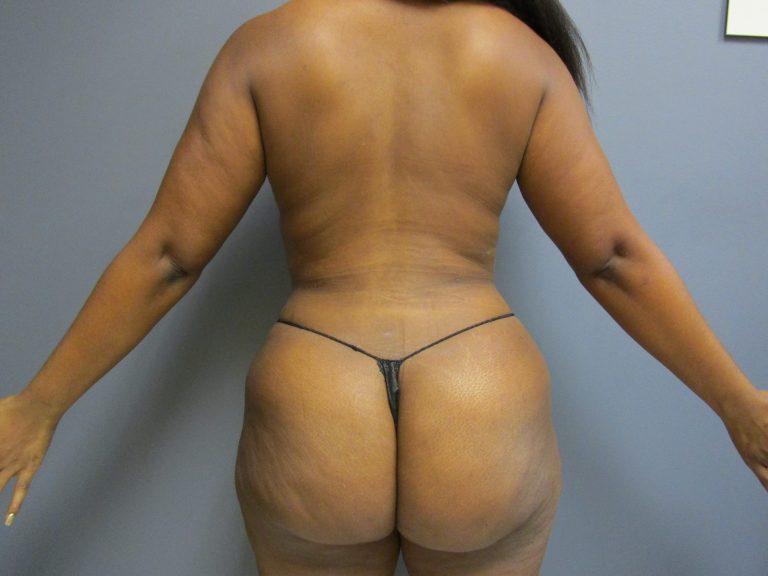
If you are considering liposuction, the quality of your consultation matters almost as much as the procedure itself. People often spend weeks comparing before and after photos, reading reviews, and asking friends for recommendations, yet arrive at the actual appointment without a clear plan for what to ask. That is where many preventable disappointments begin.
Liposuction can produce excellent body contouring results in the right patient, with the right surgeon, and for the right reasons. It can also leave people frustrated when expectations, technique, recovery, or communication are not aligned from the start. In practices that perform body contouring regularly, one pattern shows up again and again: patients who ask sharper questions tend to make calmer, better decisions. They understand what liposuction can improve, what it cannot, and what the recovery will truly demand.
For anyone researching Liposuction Farmington Hills options, the goal is not to interrogate a surgeon or prove how much you know. The goal is to leave the consultation with clarity. You want to understand the surgeon’s judgment, not just hear a sales pitch. You want to know whether the plan fits your body, your health, your timeline, and your expectations.
Why the consultation tells you so much
A good consultation should feel educational, not transactional. You should walk away with more insight into your anatomy, your skin quality, and your likely outcome than you had when you arrived. If the conversation stays vague, rushes straight to pricing, or glosses over risks, pay attention. Skill in the operating room matters enormously, but sound decision making before surgery is what protects patients from preventable regret.
Liposuction is not a weight loss treatment. Most strong candidates are close to a stable, realistic weight and are bothered by localized fat that has resisted diet and exercise. The abdomen, flanks, thighs, under-chin area, upper arms, and back are common treatment zones, but not every full-looking area is best treated with fat removal alone. Sometimes the real issue is loose skin, muscle separation, or a combination of factors. That is why your questions should reveal whether the surgeon is tailoring the recommendation or simply matching you to a popular procedure.
In metro Detroit communities such as Farmington Hills, many patients juggle busy work schedules, family obligations, and social commitments. Recovery planning matters. The best surgeon for you is not just someone who can perform liposuction, but someone who explains the whole arc of care, from candidacy to compression garments to swelling that can linger far longer than many first-time patients expect.
Start with the most important question: am I actually a good candidate?
This should come early in the conversation. It sounds simple, but it opens the door to the surgeon’s honesty. A thoughtful answer will go beyond “yes” or “no.” It should cover your skin elasticity, fat distribution, general health, past surgeries, smoking or nicotine use, weight stability, and goals.
Skin quality is especially important. Two patients can have the same amount of abdominal fullness and need completely different approaches. One may have firm skin that can contract nicely after fat removal. The other may have laxity after pregnancy or weight changes, and liposuction alone could make the area look more deflated or uneven. When a surgeon explains that trade-off clearly, that is a strong sign you are getting real guidance.
Ask what the surgeon sees when they examine the treatment area. Is the fullness mostly subcutaneous fat? Is there loose skin? Is there underlying muscle laxity? If your lower abdomen protrudes because of weakened abdominal wall support, liposuction will not fix that. You want someone willing to tell you when a different procedure, or no procedure at all, would serve you better.
Ask what result is realistic for your body, not someone else’s
Many patients arrive with photos saved on their phone. That is understandable, but comparison can distort expectations. Your surgeon should translate your goal into your anatomy, rather than promise to recreate another person’s shape.
A strong question is: “What improvement do you realistically expect in my case, and what limitations should I expect?” That phrasing often gets a much better answer than “Will I look flat?” or “Will this get rid of everything?”
Liposuction improves contour. It does not erase cellulite, remove stretch marks, tighten severely loose skin, or permanently protect you from future weight gain. Even excellent results still look like your body, just with better proportions and less bulk in the treated areas. If a surgeon uses language like “perfect,” “instant,” or “totally smooth,” that should make you cautious. Human tissue does not behave that neatly.
Good surgeons are often surprisingly specific. They may say your waist could look narrower in clothing, your outer thighs could fit more smoothly, or your bra line fullness could reduce noticeably, but they may also note that one side of the body naturally differs from the other, or that mild contour irregularity is always possible. That level of precision is helpful, not discouraging. It means they are thinking like a surgeon, not a marketer.
Technique matters, but judgment matters more
Patients often ask whether a surgeon uses tumescent, power-assisted, ultrasound-assisted, or laser-assisted liposuction. Those are reasonable questions, but technique alone is not the deciding factor many people think it is. A skilled surgeon can often achieve excellent results with more than one approach. What matters is why they recommend a certain method for your body and goals.
If you are exploring Liposuction Farmington Hills practices, ask how the surgeon decides between techniques. For example, fibrous areas such as the male chest or upper back may respond differently than the lower abdomen or inner thighs. Smaller areas, like under the chin, require a different touch than larger zones. The answer should connect method to anatomy, not just claim that one device is superior in every situation.
You should also ask how aggressively the surgeon plans to remove fat. More is not always better. Over-resection can create dents, waviness, or an unnaturally hollow appearance, especially in thin patients or in areas where the skin does not rebound well. Conservative contouring, done thoughtfully, often ages better than chasing dramatic removal in a single session.
Questions that often separate a thorough surgeon from a hurried one
The best consultations tend to include these core questions. If the surgeon answers them plainly and specifically, you are likely getting a more responsible evaluation.
- Am I a strong candidate for liposuction alone, or do I have skin laxity or muscle issues that change the plan?
- Which areas would you treat, and which areas would you avoid in my case?
- What result do you realistically expect, and what limitations should I understand before surgery?
- Where would the procedure take place, what type of anesthesia is typical, and who administers it?
- What does recovery usually look like week by week, not just in the first few days?
These questions uncover far more than procedural basics. They reveal whether the surgeon has a clear operative plan, whether they can explain it without evasion, and whether they respect the patient enough to discuss limitations openly.
Do not skip the conversation about anesthesia and surgical setting
Patients sometimes focus so heavily on before and after photos that they forget to ask where the procedure will actually occur. Liposuction may be done under local anesthesia, sedation, or general anesthesia, depending on the extent of treatment and the surgeon’s approach. The right choice depends on the size and number of areas, your health profile, and the planned comfort and safety strategy.
Ask whether the procedure will be performed in an accredited surgical facility and who will monitor you during surgery. If anesthesia is involved, find out whether it is administered by a board-certified anesthesiologist or a qualified certified registered nurse anesthetist, depending on the practice model. This is not a minor detail. Safety is built from layers, and the surgical environment is one of the most important.
A patient once told me that she had interviewed three practices and only one took time to explain why her combination of areas would likely be more comfortable and controlled under a different anesthesia plan than she originally expected. That conversation reassured her more than any gallery photo could. Competence often sounds calm and matter of fact.
Recovery is where expectations often drift from reality
Many patients hear “minimally invasive” and assume recovery will be quick and tidy. Liposuction recovery is usually manageable, but it is not trivial. Swelling can last for weeks and often fluctuates. Bruising can be substantial in the first phase. Compression garments may be required for a period your surgeon specifies. Some soreness can feel like an intense workout, while certain areas may feel numb, firm, or lumpy before they soften.
That is why you should ask for a practical timeline, not a generic reassurance. When can you drive? Return to desk work? Lift a child? Exercise? Attend an event where you need to feel comfortable in fitted clothing? The answers vary based on the areas treated and the volume removed, but specifics matter for planning.
Results also take time. Patients frequently expect to see the final contour in a month, then panic when they still look puffy or uneven. In reality, visible improvement may appear early, but refinement continues over several months. The body heals in stages. A surgeon who explains that clearly is protecting you from unnecessary anxiety later.
Ask how complications are prevented and handled
No ethical surgeon will tell you liposuction is risk-free. The better question is how risks are reduced, recognized, and managed. Complications can include contour irregularity, fluid accumulation, prolonged swelling, asymmetry, changes in sensation, infection, delayed healing, or blood clots in rare circumstances. The exact risk profile depends on the patient and the extent of surgery.
You want to hear concrete prevention strategies. That may include careful patient selection, limits on surgical volume, a measured anesthesia plan, early walking after surgery, smoking cessation before and after the procedure, and close follow-up. If a surgeon becomes dismissive when risks are mentioned, that is not reassuring. Experienced surgeons respect complications because they have seen enough medicine to know that vigilance matters.
Ask what happens if you develop a contour concern or need a revision. Not every irregularity requires another procedure, since swelling and scar tissue can mimic problems early on. But you should know the office’s process. Will they see you promptly? How do they distinguish normal healing from a true issue? If revision becomes necessary, when would they consider it? Honest policies speak volumes.
Cost matters, but value is broader than the quote
It is reasonable to ask for transparent pricing. Liposuction costs can vary based on the number of areas treated, the surgical setting, anesthesia, and the extent of the procedure. But the lowest number on paper is not always the best value. A quote should be clear about what is included, such as facility fees, anesthesia, garments, follow-up visits, and any expected medications. Hidden add-ons are a common source of frustration.
Price shopping becomes risky when it pressures patients into comparing unlike cases. One surgeon may recommend a conservative, anatomically sound plan. Another may quote a lower number for a more limited treatment that will not address the concern adequately. A third may promise an aggressive result that carries more trade-offs than the patient realizes. The smarter approach is to compare recommendations first, then compare costs within the context of those recommendations.
In areas like Farmington Hills, patients often have access to multiple reputable providers within a short drive. That can be useful, because a second consultation may help you understand whether the first surgeon’s plan was thoughtful or simply convenient.
Before and after photos deserve a closer look
Most patients ask to see photos. Fewer know how to read them critically. Focus on patients whose starting anatomy resembles yours. If you are concerned about lower abdominal fullness after pregnancies, photos of a very fit twenty-something with tight skin will not tell you much. Look for consistency in lighting, pose, and timing. Dramatic differences in posture or camera angle can make almost any result look better.
Ask how long after surgery the after photos were taken. An image captured too early may not reflect the final result. Also ask whether the surgeon has examples of cases that required restraint rather than maximal fat removal. A portfolio full of only extreme transformations can suggest selection bias or a style that may not suit every patient.
Photos are useful, but they should support a clinical conversation, not replace one.
Red flags that should slow you down
Certain signs deserve extra caution, especially if you feel pressured to decide quickly.
- You are promised perfection, guaranteed symmetry, or instant final results.
- The surgeon avoids discussing risks, recovery, or limitations.
- The recommendation feels identical to what every other patient seems to get.
- Pricing pressure, same-day booking incentives, or sales tactics overshadow medical judgment.
- Your questions are answered vaguely, defensively, or with obvious impatience.
Most patients can sense when something feels off. It may not be dramatic. Sometimes it is just the sense that no one is really studying your body or listening to what bothers you. Trust that reaction enough to pause.
The questions patients often forget to ask
Some of the most useful questions are the least glamorous. Ask how long the appointment schedule allows for follow-up visits. Ask who you call after hours if you have a concern. Ask whether post-operative swelling or firmness might benefit from massage or other supportive measures, and whether the practice recommends them routinely or only selectively. Ask what happens if your weight changes after surgery.
You should also discuss your medical history thoroughly. Even issues that seem unrelated can matter, such as prior abdominal surgery, a history of poor scarring, clotting concerns, autoimmune conditions, diabetes, or medications and supplements that affect bleeding. Good surgeons pay attention to these details. They are not being overly cautious. They are doing their job.
If you have had previous liposuction, say so plainly. Revision cases are often more complex because scar tissue changes the feel and predictability of the tissue planes. A surgeon who is comfortable with primary liposuction may still advise caution or a modified plan for revision contouring.
The local piece matters more than people expect
When patients search for Liposuction Farmington Hills, they are often thinking about convenience. That is part of it, but local care matters in a deeper way. Surgery is not just an event on one calendar date. It is a process with pre-op instructions, post-op monitoring, and the possibility of unexpected questions during recovery. Being able to reach your team and be seen without major logistical hurdles has real value.
A nearby surgeon also tends to understand the practical rhythms of the local patient population. In a suburban setting, people often need to coordinate school pickups, commutes, and family responsibilities quickly after surgery. Recovery advice that sounds reasonable in theory may be unrealistic in daily life if the surgeon never addresses those details. The strongest practices build plans around real routines, not idealized ones.
The best consultation leaves you feeling informed, not sold
A patient should not leave a liposuction consultation feeling dazzled but unclear. You should understand whether you are a candidate, what the surgeon recommends, what the trade-offs are, what recovery will demand, and what kind of outcome is realistic for your body. You should also have a sense of the surgeon’s temperament. Are they careful? Are they direct? Do they listen? Do they answer the uncomfortable questions with the same attention they give the exciting ones?
Cosmetic surgery is deeply personal. People Liposuction Farmington HIlls Aesthetic Plastic Surgery & Laser Center, Michelle Hardaway M.D. may seek it after pregnancy, after weight loss, in midlife when body composition changes, or simply because one stubborn area has bothered them for years. There is nothing shallow about wanting your outside to match how you feel. But the decision deserves rigor. The smartest patients are rarely the ones who know the most jargon. They are the ones who slow down, ask for specifics, and choose the surgeon who treats judgment as seriously as technique.
That is the real purpose of asking smart questions. Not to make the consultation longer, but to make your decision better.
Aesthetic Plastic Surgery & Laser Center, Michelle Hardaway M.D.
27920 Orchard Lake Rd
Farmington Hills, MI 48334
(248) 221-1957
FAQ About Liposuction Farmington Hills
What disqualifies you from getting liposuction in Farmington Hills?
A surgeon may recommend postponing or avoiding liposuction if a health condition, medication, or nicotine use raises the risk of surgery or poor healing. A consultation is needed to assess your medical history and whether the procedure fits your goals.
Can liposuction remove 20 pounds?
Liposuction is a body contouring procedure for localized fat. It is not a weight loss treatment, and a specific number of pounds is not a safe or useful target. The surgeon determines how much can be removed safely for each patient.
What are the risks of liposuction?
Risks include infection, changes in sensation, uneven contours, and complications from anesthesia or blood clots. A plastic surgeon can explain which risks apply to you and what to expect during recovery.
❧