November 18, 2026
Areas Commonly Treated With Liposuction Farmington Hills
By @caidengvkc124
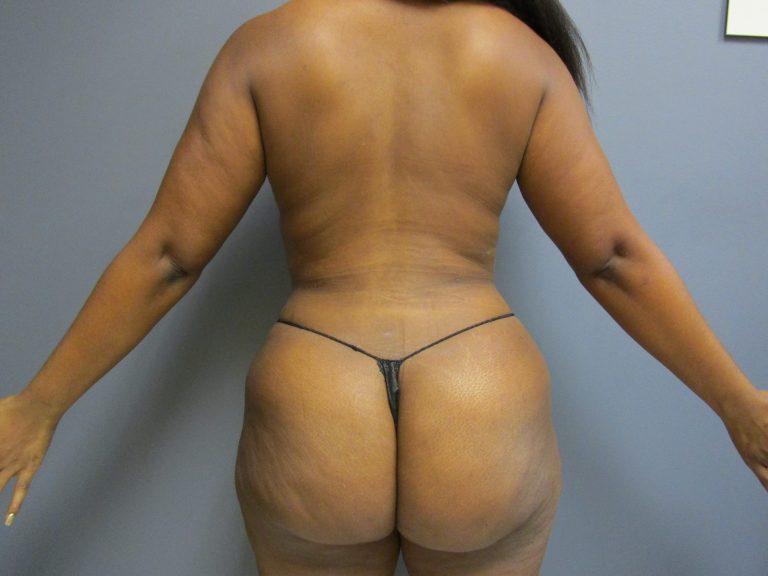
When people ask about liposuction, they are usually not asking one simple question. They want to know where it works best, which areas respond most predictably, how much improvement is realistic, and whether a stubborn pocket of fat can finally be brought into proportion with the rest of the body. Those are fair questions, and they matter more than the general before-and-after photos that dominate online searches.
In practices serving patients interested in Liposuction Farmington Hills, the conversation often starts with body shape rather than body weight. Liposuction is a contouring procedure. It is not a treatment for obesity, and it does not replace the basics of long-term weight management. What it can do, when used thoughtfully, is remove localized fat deposits that do not respond well to diet and exercise, or that remain out of balance with the surrounding anatomy.
Some treatment areas are requested more often because they tend to hold resistant fat. Others are less common but can make a surprising difference in how clothing fits and how balanced the body looks from the side or in motion. The best results come from matching the procedure to the anatomy, the skin quality, and the patient’s goals, not from trying to force every concern into the same surgical plan.
Why some body areas respond better than others
Not every fat deposit behaves the same way. The lower abdomen can be dense and fibrous in one patient, while the outer thighs in another may be softer and more diffuse. A neck with a small, localized pad under the chin can change dramatically with careful contouring. By contrast, an area with looser skin may improve only modestly unless the patient accepts that skin tightening from liposuction alone has limits.
That distinction is important. Patients often focus on the fat they can pinch, but surgeons also evaluate what happens to the skin after volume is removed. Elastic skin tends to retract better. Younger patients often have an advantage here, though age alone is not the deciding factor. Sun damage, weight fluctuations, pregnancy history, genetics, and the thickness of the skin all play a role.
The most commonly treated areas are common for a reason. They usually offer a good combination of visible improvement, predictable anatomy, and a contour change that patients notice every day, whether they are buttoning jeans, wearing a fitted dress shirt, or looking at their profile in a mirror.
The abdomen, often the first area people mention
The abdomen is probably the area most people think of Liposuction Farmington HIlls Aesthetic Plastic Surgery & Laser Center first when they hear the word liposuction. In practice, it is rarely just one area. The upper abdomen, lower abdomen, and the transition into the waist all affect the final look. A patient may feel frustrated by a lower abdominal bulge that lingers after pregnancy or by fullness above the belly button despite a stable weight. In many cases, the contour issue is not generalized body fat but a localized deposit that sits out of proportion to the rest of the torso.
Abdominal liposuction can be very effective in patients with good skin tone and a modest to moderate amount of excess subcutaneous fat. The key phrase there is subcutaneous. Liposuction removes the fat between the skin and the muscle wall. It does not remove visceral fat, the deeper fat inside the abdomen around internal organs. That is one reason some patients with a firm, rounded abdomen are disappointed when they assume liposuction can flatten everything. If much of the fullness is deeper than the reach of liposuction, the change will be limited.
There is also the issue of abdominal muscle separation. After pregnancy, some women have rectus diastasis, where the abdominal muscles have spread apart. Liposuction does not repair that. In the right patient, abdominal liposuction can refine the surface contour beautifully. In the wrong patient, or when used to solve a structural problem it cannot fix, the result may feel underwhelming even if the fat removal itself is technically successful.
The flanks, where contour changes are often dramatic
If the abdomen is the most requested area, the flanks are close behind. Many patients know them as love handles, though that term can make a very real contour concern sound more casual than it feels. Fat along the sides of the waist can distort the entire silhouette. It can create overhang above pants, make shirts pull awkwardly, and blur the transition between the rib cage and hips.
The reason flank liposuction is so satisfying, when done well, is that it restores shape rather than simply reducing size. Waist definition matters visually. Even a moderate reduction in this area can make the torso look leaner and more athletic. It can also improve the appearance of the abdomen from the front because the waistline becomes clearer.
This area is also a good example of why surgical judgment matters. Over-resection can leave unnatural hollows, especially in thinner patients or in those with asymmetry. Conservative contouring often ages better than aggressive suctioning because the body changes over time. A result that looks sharp at one year should still look natural five or ten years later if the patient’s weight remains relatively stable.
The hips and outer thighs, important for overall balance
Outer thigh fullness, sometimes called saddlebag fullness, can be especially frustrating because it tends to persist even in very active patients. Someone may have a slim waist and toned legs, but still carry disproportionate volume over the outer thigh. This is one of the classic areas where body contouring can create a meaningful improvement in proportion.
The outer thighs influence how the hips transition into the legs. When the area is overprojected, pants may fit at the waist but pull tightly through the upper thigh. Dresses and skirts may hang unevenly. Once the contour is reduced, patients often notice not only a slimmer line but a smoother drape in clothing. That day-to-day payoff matters more than many people expect.
Inner thighs are also commonly treated, though they require a different kind of restraint. Patients often want a noticeable reduction because the area can rub when walking and can make fitted pants uncomfortable. The challenge is that the skin on the inner thigh may not retract as well as skin on the outer thigh. If too much fat is removed in a patient with limited elasticity, the improvement in size can be offset by a less attractive skin contour. This is where experience shows. The right candidate can see a clear improvement in both comfort and shape. The wrong candidate may need a discussion about skin laxity before choosing surgery.
The upper arms, where modest changes go a long way
Arm liposuction has become more common because patients are paying closer attention to how the upper arms look in sleeveless clothing, fitted blouses, and tailored jackets. Most are not looking for extremely thin arms. They want less heaviness, a cleaner line from shoulder to elbow, and less of the soft fullness that can make the arms appear larger than the rest of the body.
The upper arm is a good example of an area where realistic planning matters. Patients with mild to moderate localized fat and decent skin tone often do quite well. Patients with significant looseness may improve in circumference but still notice hanging skin. Liposuction does not tighten the arm the way an arm lift does. Sometimes that trade-off is acceptable, especially if a patient wants smaller scars and understands the compromise. Sometimes it is not.
In clinical conversation, this is one of the areas where the phrase “better, not perfect” is worth remembering. A patient who wants a visible reduction and a more streamlined appearance may be pleased. A patient who expects the skin to behave like it did ten or twenty years earlier may need a more nuanced discussion.
The back and bra line, an underrated treatment zone
Back contouring is often overlooked in casual conversations about liposuction, but it can be one of the most impactful treatments. Fullness around the bra line, under the shoulder blades, or along the lower back can create rolls or bunching that show through clothing even in patients who are otherwise fairly lean.
This area tends to matter a lot in real life because it influences how tops, dresses, and bras fit. Patients commonly describe trying on clothing that looks smooth from the front but gathers in the back. A targeted reduction in back fullness can change that. It can also improve the side profile by refining the transition between the torso and waist.
The tissue in the back can be more fibrous than other regions, so technique and postoperative compression matter. Swelling can linger longer here than patients expect. That does not mean the procedure is ineffective. It means patience is part of the process. Back contouring often reveals itself gradually, with a more polished look emerging over several months.
The chin and neck, small area, big visual effect
Submental fullness, the pocket beneath the chin, is one of the few areas where a relatively small volume of fat can have an outsized impact on appearance. It can make the jawline look less defined, soften the profile in photos, and create the impression of extra weight even in someone with a slender frame.
In the right candidate, neck and chin liposuction can be strikingly effective. The best results usually occur in patients with a distinct fat deposit and enough skin elasticity to contract afterward. Younger patients often fit this pattern, but plenty of older adults with good tissue quality also benefit. When platysmal banding, significant skin laxity, or deeper structural issues are prominent, liposuction alone may not be enough to produce a crisp neckline.
This area tends to attract patients because the visual payoff is immediate in everyday interactions. People notice their face before they notice their waist. A stronger chin-to-neck angle can make someone look more rested, more defined, and sometimes younger, though “younger” is not always the best metric. Often, patients simply say they feel more like themselves in photographs.
The chest, especially for men dealing with excess fullness
For men, one of the most common areas treated is the chest. Some have fatty fullness that softens the chest contour and makes shirts fit awkwardly. Others have true gynecomastia, which may include both fat and firm glandular tissue. Liposuction can help in many cases, but it is not always the whole solution. Dense glandular tissue may require direct excision.
This distinction matters because the chest is one of the areas where expectations can drift if the diagnosis is not clear. A man may assume that any chest fullness can be suctioned away, only to learn that the firmer tissue under the areola will not flatten with liposuction alone. On the other hand, patients with predominantly fatty fullness often see substantial improvement with carefully performed contouring.
The goal is usually a flatter, more masculine chest line that looks natural from multiple angles, not hollowed or overdone. The chest also has one of the strongest emotional components of any body area treated with liposuction. Men often avoid fitted shirts, swimming, or gym locker rooms because of it. When the contour improves, the change in confidence can be as important as the physical result.
Knees, calves, and ankles, selective but worthwhile in the right patient
These areas are less frequently discussed, but they matter to certain patients a great deal. Localized fullness around the inner knees can interrupt the line of the leg, especially in slimmer individuals. A small reduction here can make the legs appear longer and more refined. It is not a dramatic volume change, but it can improve proportion.
Calves and ankles require more caution. Some patients simply have muscular lower legs, and liposuction will not change that. Others carry a true fatty deposit, especially around the ankle or lower calf, and may be reasonable candidates. This is one of those regions where a surgeon must be selective, both for safety and for aesthetics. The lower leg has less margin for error, and swelling can persist for a while. When indicated and performed conservatively, the result can be elegant. When chosen poorly, the payoff may not justify the recovery.
Areas that deserve a more careful conversation
Not every “problem area” is best treated with liposuction. Some patients are really dealing with loose skin, weakened abdominal support, or generalized weight gain rather than a discrete fatty deposit. Others have asymmetries that need to be discussed openly before surgery, because the body is not perfectly mirrored to begin with.
A thoughtful consultation usually covers several points:
- Where the fullness is located and whether it is truly localized fat
- How much the skin is likely to retract after fat removal
- Whether another procedure might address the concern more effectively
- What level of change is realistic for that specific body area
- How weight stability affects the long-term appearance of the result
That kind of planning tends to separate satisfying outcomes from disappointing ones. The technical act of removing fat is only part of the job. Choosing the right area, in the right amount, for the right patient is what makes the result look intentional and balanced.
What patients in Farmington Hills often want to know before choosing treatment
Patients exploring Liposuction Farmington Hills are often practical about the decision. They want to know if the area that bothers them most is actually a good indication for surgery, how visible the improvement will be, and whether the result will still look natural in regular clothes, not just in edited after photos.
One of the most honest answers is that different areas heal and reveal results at different speeds. The chin may look improved relatively quickly, though swelling still matters. The abdomen and flanks often take longer to settle. The back can be slow and stubborn in the early recovery period. Compression garments help, but they are not magic. Most patients see progress in stages rather than all at once.
Another question that comes up frequently is whether more areas are always better. Not necessarily. Combining treatment zones can create harmonious contour changes, especially when the abdomen and flanks are addressed together. But more areas also mean more swelling, more recovery logistics, and a greater need for discipline in surgical planning. There is a point where restraint serves the patient better than ambition.
The best candidates are usually looking for refinement, not reinvention
The most successful liposuction patients tend to share a certain mindset. They have a specific contour concern, not a vague hope that surgery will transform everything. They are close to a maintainable weight. They understand that liposuction improves shape, and they are willing to support the result by staying reasonably stable afterward.
When patients approach it that way, the commonly treated areas each have their own strengths. The abdomen can flatten and refine. The flanks can restore the waist. The thighs can improve proportion. The arms can look lighter. The back can smooth out clothing lines. The neck can sharpen the profile. The chest can become more balanced and confident-looking.
That is really the thread connecting all of these treatment zones. Liposuction is not about chasing perfection. It is about removing the pockets of fat that keep the rest of the body from reading clearly. In experienced hands, and in the right candidate, those focused adjustments can make a person look more proportional, more comfortable in clothing, and more at ease in their own body. For many people considering Liposuction Farmington Hills, that is exactly the point.
Aesthetic Plastic Surgery & Laser Center, Michelle Hardaway M.D.
27920 Orchard Lake Rd
Farmington Hills, MI 48334
(248) 221-1957
FAQ About Liposuction Farmington Hills
What disqualifies you from getting liposuction in Farmington Hills?
A surgeon may recommend postponing or avoiding liposuction if a health condition, medication, or nicotine use raises the risk of surgery or poor healing. A consultation is needed to assess your medical history and whether the procedure fits your goals.
Can liposuction remove 20 pounds?
Liposuction is a body contouring procedure for localized fat. It is not a weight loss treatment, and a specific number of pounds is not a safe or useful target. The surgeon determines how much can be removed safely for each patient.
What are the risks of liposuction?
Risks include infection, changes in sensation, uneven contours, and complications from anesthesia or blood clots. A plastic surgeon can explain which risks apply to you and what to expect during recovery.
❧